
Micronutrient reference
Vitamin A and zinc - what they do and how much you need
Eight plain-language articles on the two micronutrients the body cannot do without: sources, benefits, deficiency and safe amounts - plus short answers to the common questions.
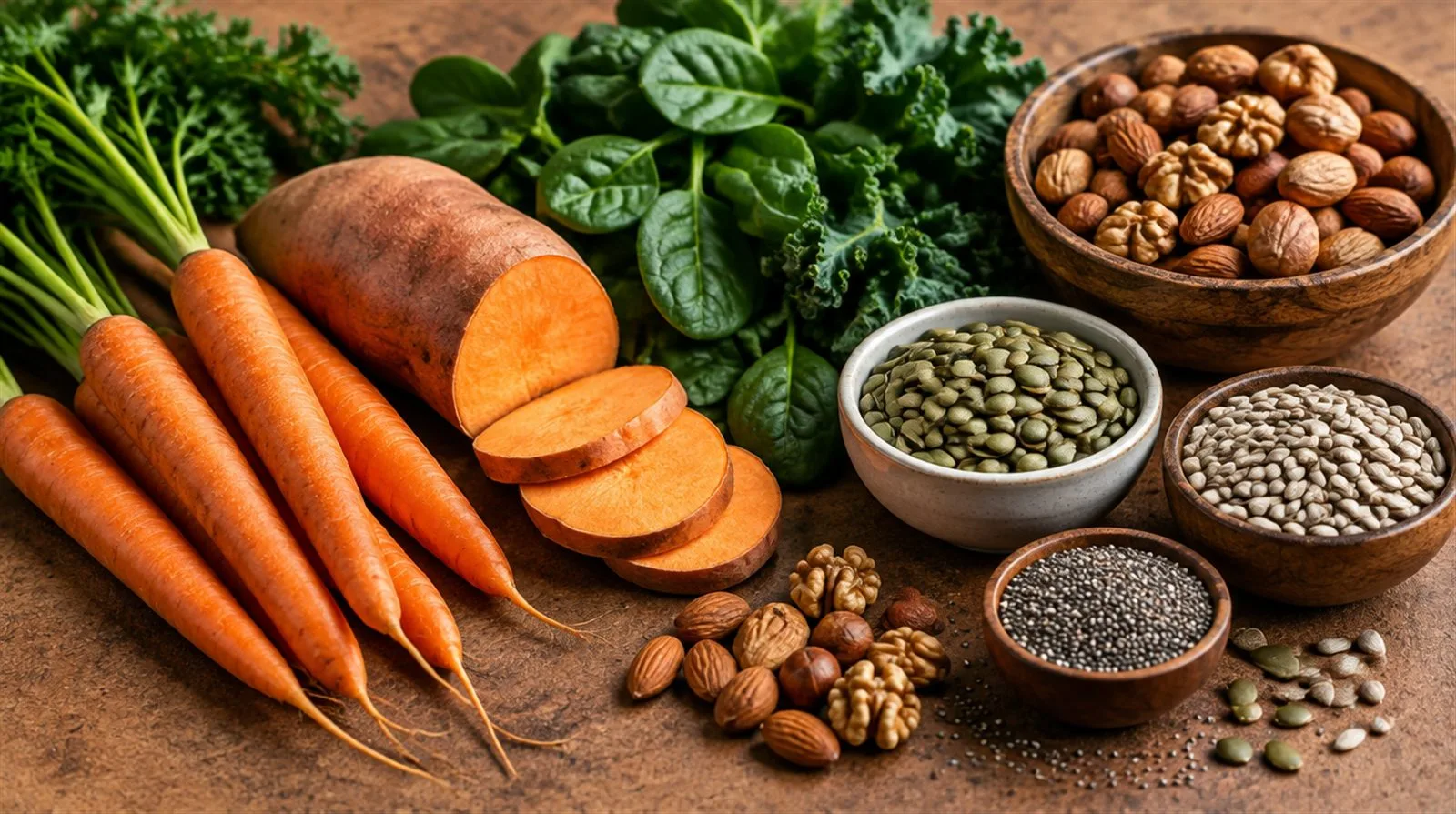

Topic 1
Vitamin A
Retinol and carotene: where they come from and what they protect.
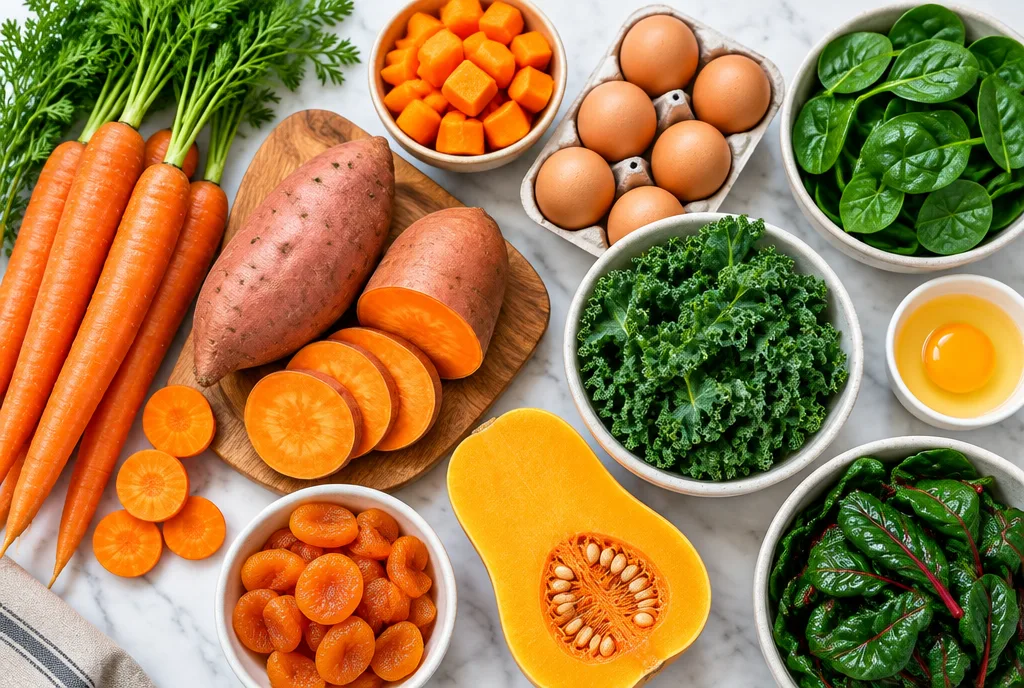
Vitamin A: Top 10 benefits
Retinol from eggs, milk and liver, carotene from carrots and sweet potato - and what both do for skin, eyes and immunity.
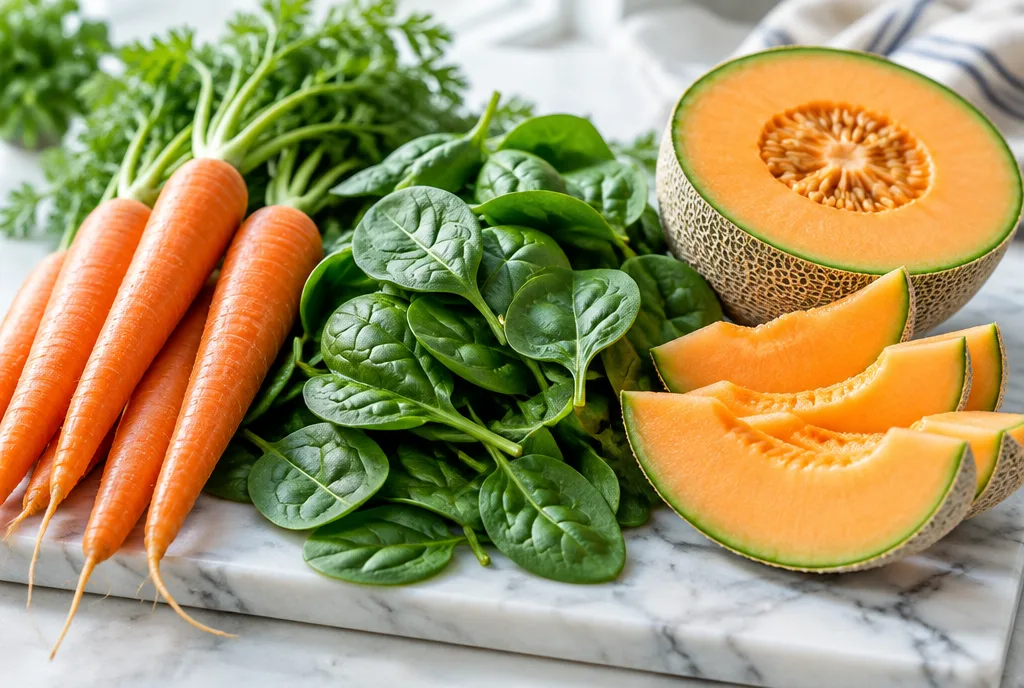
Foods Rich in Vitamin A
Which foods cover the daily need, and why deficiency still matters in many parts of the world.
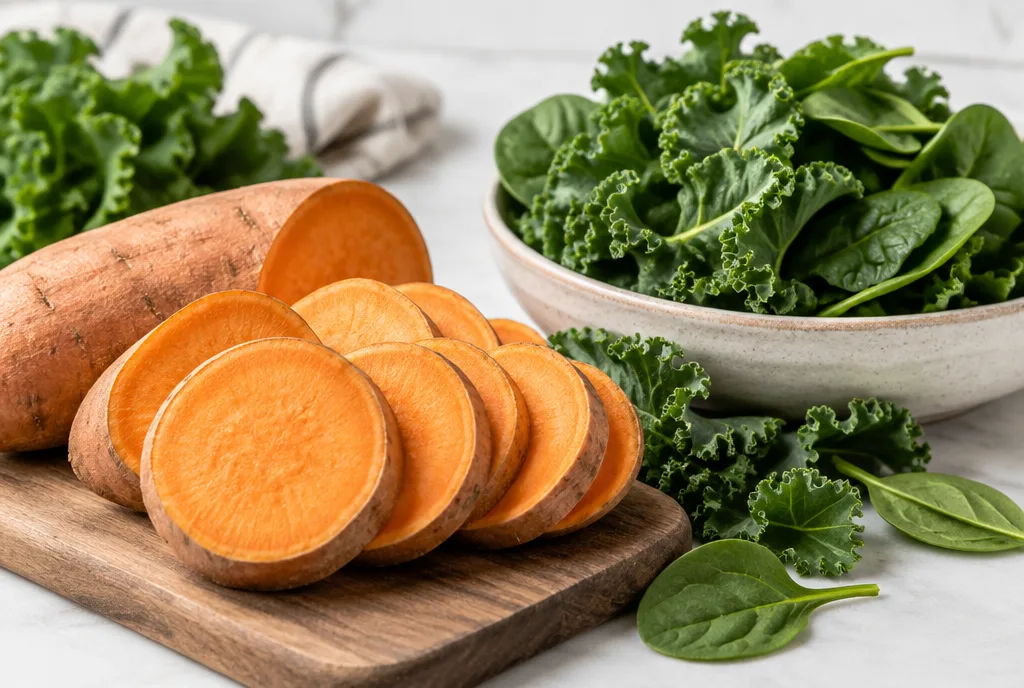
Sources of Vitamin A and Benefits of Eating Them
Vitamin A as an antioxidant: skin health, fewer infections and a lower cancer risk.
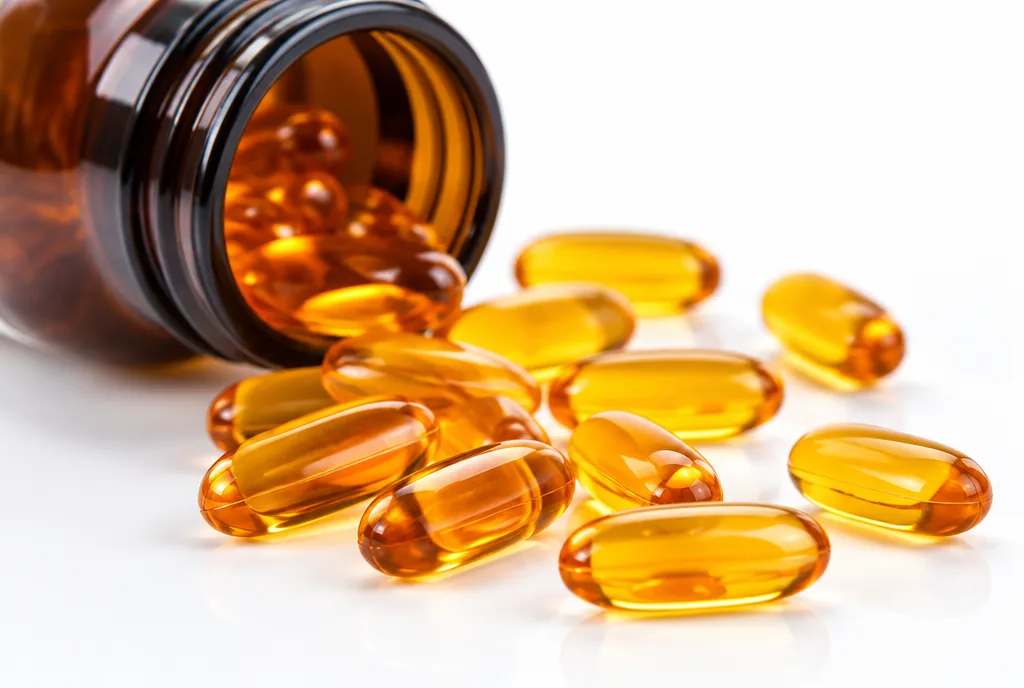
Why Does One Need Vitamin A Supplements?
Fast food leaves gaps. When supplements make sense - and when food alone is enough.
Topic 2
Zinc
The trace element in almost every cell - benefits, sources and limits.

Benefits of Zinc
Almost every cell contains zinc. What it does, where it comes from and how much the body needs.
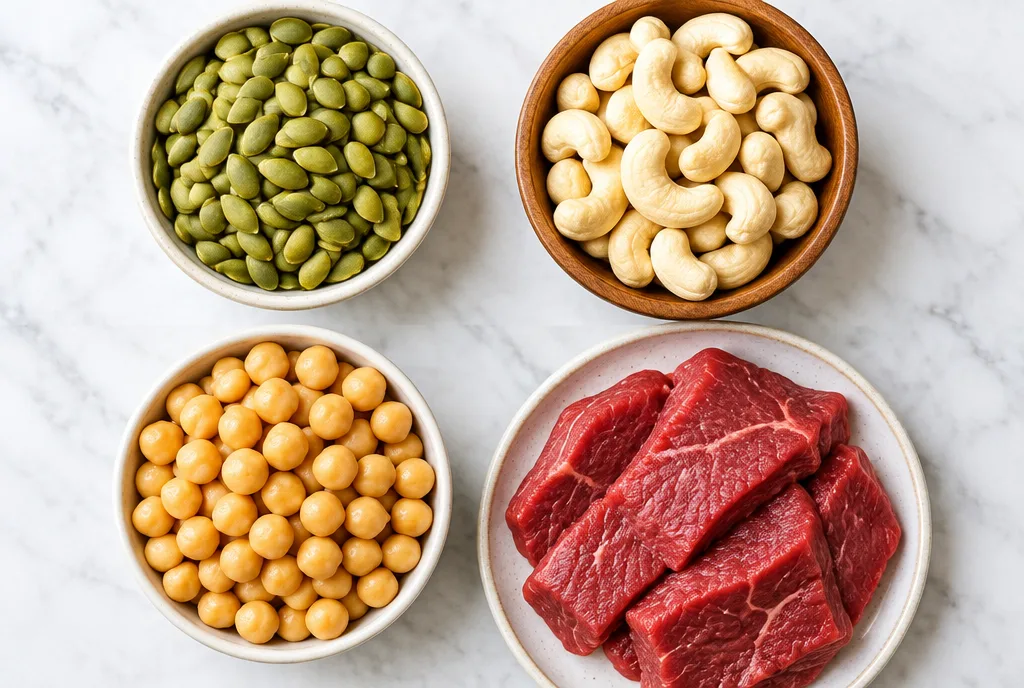
Foods with Zinc and Their Benefits
Zinc helps the body metabolise food. The foods that deliver the most of it.
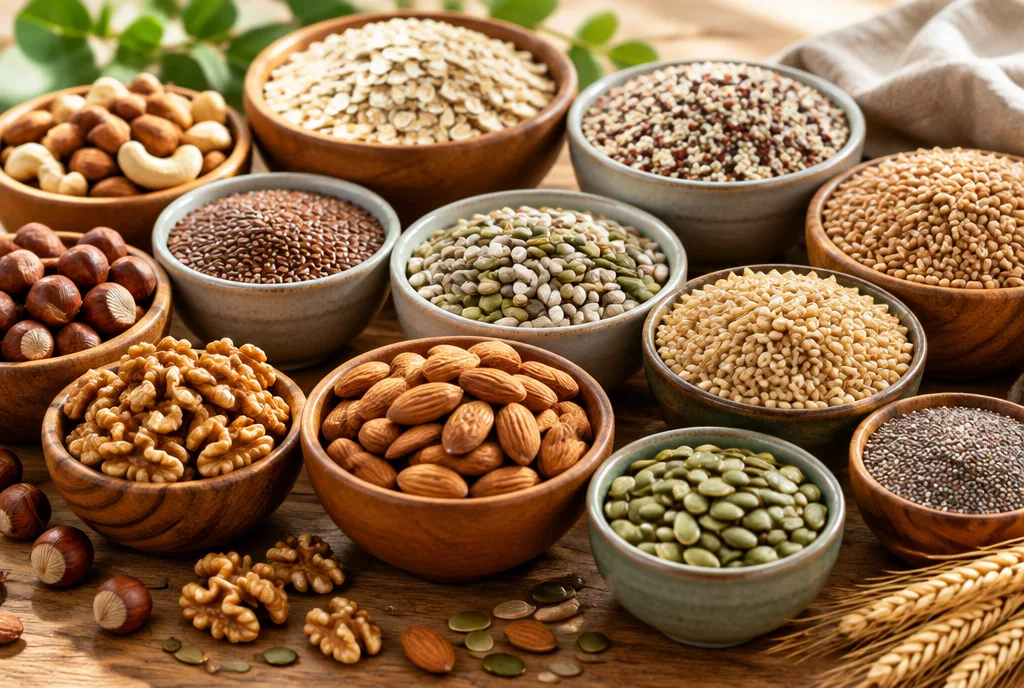
Zinc Deficiency
Common, often unnoticed - the signs of zinc deficiency and who is most at risk.

Zinc Side Effects
Up to 40 mg a day is safe for most adults. What happens above that, and when to ask a doctor.
Short answers
How much zinc is safe per day?
For most adults, up to 40 mg a day - taken orally or on the skin - is considered safe. Regular supplements beyond that should be discussed with a doctor. Read the article
Can food alone cover vitamin A?
Usually yes: eggs, milk, liver, carrots, sweet potatoes and cantaloupe are rich sources. Deficiency is mainly a problem where diets are very limited. Read the article
Who should consider vitamin A supplements?
People who eat a lot of fast food or follow a restricted diet often miss the required amount. Supplements can close that gap. Read the article
Why is zinc deficiency so widespread?
Zinc is present in almost every cell, yet many diets deliver too little of it. The WHO counts zinc deficiency among the most common nutritional problems. Read the article